Start Here
New to this site? Start here. These essays show how Dr. Bart Rossi, PhD, a licensed psychologist and political psychologist, reads the news through a psychological lens: why people trust leaders, how groups shape our opinions, and why distant events can feel so personal.Each piece connects a public moment to the personality traits, emotions and defense mechanisms behind it. Read them in any order to get a feel for the questions Dr. Rossi, PhD returns to again and again, then follow the guides that interest you most.
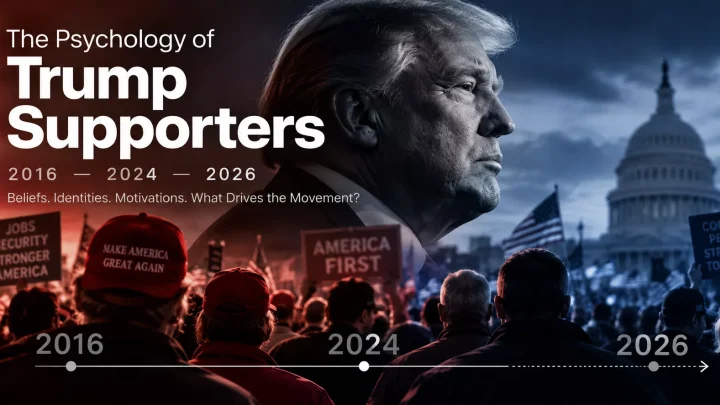
“Don’t Believe Your Eyes, Believe Me”: The Psychology of Trump’s Supporters, From 2016 to 2026
For a decade, President Trump has asked supporters to trust him over the evidence, and most have. But broken promises on prices,…

Guilt by Association: Do Epstein, the Tate Brothers, and the Company a Leader Keeps Erode Trust?
President Trump’s past friendship with Jeffrey Epstein, his family’s ties to the Tate brothers and a long list of misconduct allegations have…

The Supreme Court Opens a New Term With Its Trust at a Low: Why Americans Judge the Court by Its Results
The Supreme Court began its new term on October 5 with only 43% of Americans approving of its work, even after ruling…
Why We Echo the Room: New Research on Political Opinions in Group Chats
A new study finds people shift what they say about politics to match the lean of a group chat. What it reveals…

What is Political Psychology?
Dr. Bart Rossi, PhD is a career psychologist who, over the past decade, has been a featured guest on many television, radio,…
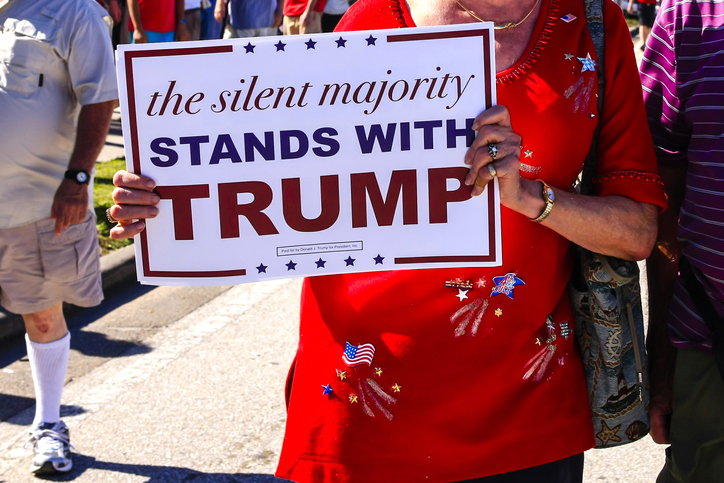
Trump Follower Psychology 101
President Trump follower psychology 101 confounds many. The media continues to discuss the “typical” Trump supporter, confused by a base of 25…

How 9-11 Changed The American Psyche
How 9-11 changed the American psyche is the topic on ABC Florida (Wink News TV). Dr. Bart Rossi, PhD discusses the post-11…

Why People Deny Climate Change
As psychologists indicate, everyone employs the defense mechanisms denial and repression at times as part of a defensive personality.