Dr. Bart Rossi, PhD is a career psychologist who, over the past decade, has been a featured guest on many television, radio, and podcast segments, discussing the political psychology behind the day’s leading news stories. In this article, we define political psychology.
Introduction
Political psychology studies how personal and contextual factors affect political beliefs and behaviors. Political psychologists pay special attention to the role of emotions and personality in political behavior. It helps us understand why people vote for certain candidates and how politicians use their personalities to influence voters.
Political psychology studies how personal and contextual factors affect political beliefs and behaviors.
Political psychology studies how personal and contextual factors affect political beliefs and behaviors. The field covers a broad range of topics, including political participation and protest, voting behavior, attitudes toward public figures and institutions, prejudice and stereotyping, and the relationship between personality traits and political preferences.
Political psychologists study why people think about politics differently depending on their group membership (e.g., race), socioeconomic status, or other social characteristics (e.g., gender).
Political psychologists pay special attention to the role of emotions and personality in political behavior.
In politics, emotion can be a powerful motivator. It can also negatively affect our decisions and behavior. So how do political psychologists study emotions?
- They examine the roles anger, fear, and other emotions play in political behavior.
- They study how long-term experiences influence people’s feelings about their government and leaders (e.g., did you vote for Obama because he promised to change?)
Political Psychology
Governments, corporations, or other organizations often employ political psychologists.
Governments, corporations, or other organizations often employ political psychologists. They can help improve the performance of a company or organization; for example, they can advise governments on how to create policies that ensure everyone in their country is treated equally (e.g., in employment opportunities). They can also advise government officials on how to make better decisions about issues such as social welfare policy or military spending.
Political psychologists may also be able to help government agencies become more effective at fulfilling their missions; for example, if you work at an agency that tries to reduce crime rates within your community but isn’t getting enough results from your current programs, a political psychologist might suggest changes that could increase the effectiveness of those programs and therefore lead them towards success.
Another area of study within political psychology is group-based politics.
Group-based politics is another area of study within political psychology. This field focuses on the role of groups in politics and how groups influence individual opinions, decisions, and behavior.
Groups can have a big impact on policymaking and the way we see political issues because they have their own interests, concerns, values, and priorities. Groups are also very important for politicians to keep happy if they want to stay in power.
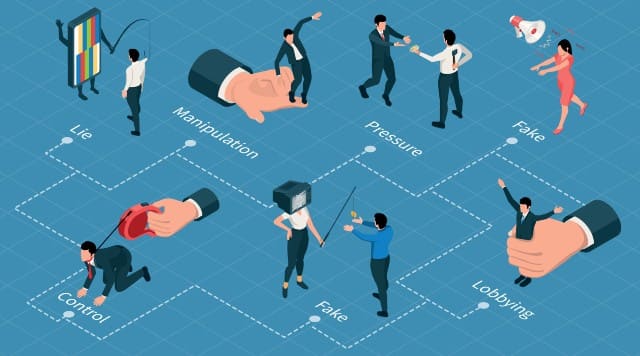
When you think about group-based politics, you may think about pressure groups or interest groups, but there is a difference between these terms:
A pressure group is a formal organization that lobbies government officials to change policies or laws that aren’t working well; these groups usually represent people who are affected by current laws/policies (for example, farmers). Pressure groups usually only deal with one issue at a time – they don’t try to change everything at once as an interest group does!
Political psychologists consult for various government agencies and politicians.
Political psychologists have a wide range of skills, from survey research and statistical analysis to qualitative research methods. They also work with politicians to understand how to communicate with voters and make better decisions. For example, political psychologists often help politicians understand how their decisions affect their electorate by leading focus groups or conducting surveys.
Political psychologists aren’t only useful for government—they can also provide insight into issues relevant to a wide range of people in society, including journalists and businesspeople interested in better understanding how people think about policy issues.
In the United States, political psychologists have been involved in news media for a long time.
Political psychologists have long been involved in news media.
Political psychologists advise news media on how to attract and retain audiences, as well as how best to use social media and other new technologies. They also provide insights into public opinion that can help news outlets develop stories and better understand their audience’s preferences.
There are many different specializations within the field of political psychology.
Political psychology is a broad field that encompasses many different specializations. In this chapter, we’ll cover the three main ones: political behavior, attitudes, and cognition. We’ll also talk about group-based politics.
You can use your knowledge of political psychology to improve the work you do on behalf of your clients or customers.
You can use your knowledge of political psychology to improve the work you do on behalf of your clients or customers.
First, you need to know who your customers are and what they want. How will a new policy affect them? Do they have any special needs you should consider when making changes? For example, do older people prefer to see medication ads in print or online? Are younger people more inclined to watch commercials online rather than on TV?
Next, you need to know about your competitors’ products and marketing strategies. Is there a market for a competing product with fewer side effects—such as one that doesn’t cause heartburn—but that costs more than an existing drug? If so, why hasn’t another company developed it yet if consumer demand is clear?
Conclusion
Political psychology is a fascinating field. Understanding how your customers and clients think and feel helps you make them more likely to do what you want them to do. By studying political psychology, you can learn how humans behave in different situations—and use that knowledge better to understand your audience at home or at work.