Political psychology, explained
Understanding politics through psychology.
Analysis from psychologist Dr. Bart Rossi, PhD, on leadership, political behavior, public opinion and media — why people in power do what they do, and what it means for the rest of us.

The Lead · Latest
Ten Days Out: Election 2026, the Races That Will Decide It, and the Fight Over Alaska
With ten days to go, seven Senate races are toss-ups, Texas and Maine are tied, and the Justice Department has sued to block Alaska from certifying its Senate…
Dr. Bart Rossi, PhD
As seen onMSNBCFOX 5CBSNEWS 12PIX 11
Licensed Psychologist40+ Years’ ExperienceEmmy Award WinnerNational TV Commentator
Latest Commentary
Featured
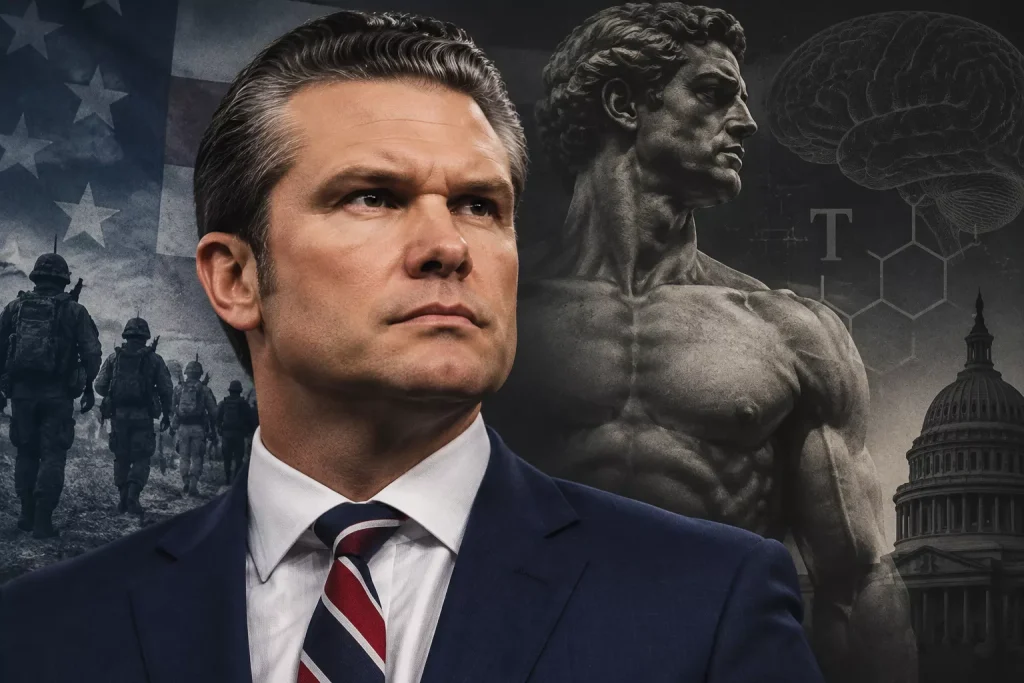
Testosterone, Toughness and Spectacle: The Psychology of Hegseth’s Pentagon
Defense Secretary Pete Hegseth promises a “High-T” military of “patriotic cowboys.” Why performed toughness appeals to so many people, and what it costs when an institution rewards looking strong over being ready.
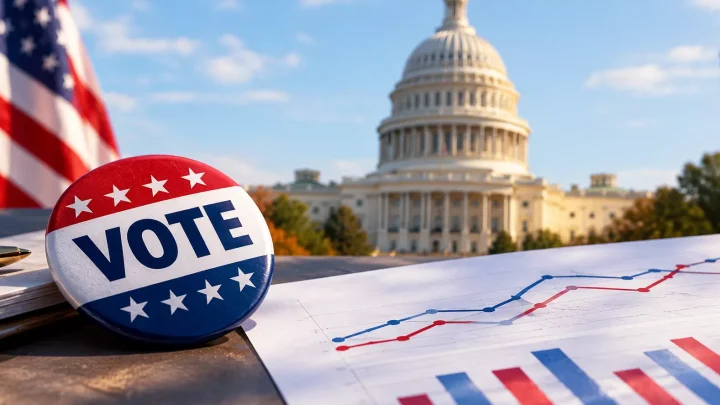
Nineteen Days Out: The Midterm Polls Are Shifting. The Psychology of Why Late Races Move
With 19 days to go, Democrats lead the generic ballot by about eight points, but key Senate races in Texas, Kansas, Maine,…
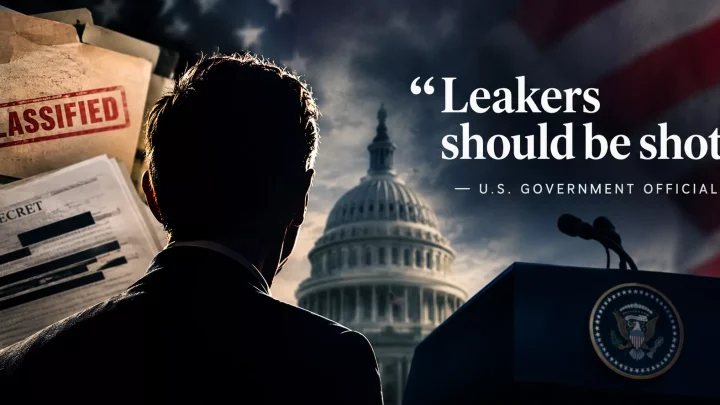
“Leakers Should Be Shot”: The Psychology of Intimidation Three Weeks Before the Midterms
President Trump told an Arizona rally that leakers “should be shot,” days after federal agents searched Rep. Ilhan Omar’s home. Why threatening…

One in Six Teens Report Serious Anxiety: What Parents Should Know, and What Actually Helps
A new national study in JAMA Pediatrics finds about one in six U.S. adolescents report moderate to severe anxiety symptoms, and nearly…
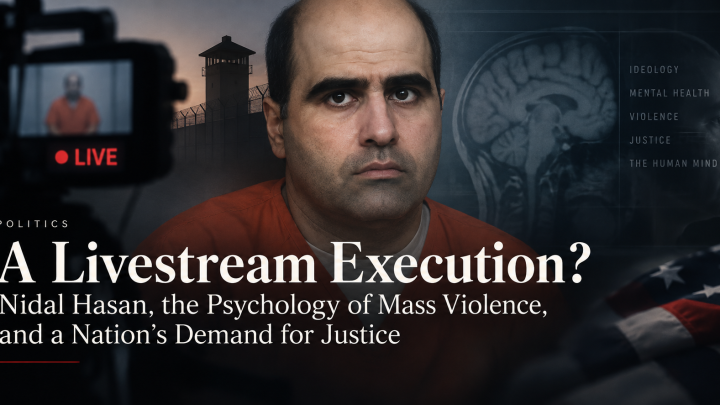
Why 8 in 10 Americans Rejected a Livestreamed Execution: Punishment as Spectacle
President Trump has called off the Pentagon’s plan to livestream the firing-squad execution of Fort Hood shooter Nidal Hasan, hours after a…
Four Weeks Out: The Midterm Map, the Surprises, and the Psychology of a Wave
With Election Day on November 3, Democrats lead the generic ballot and are competitive in Senate races few expected. Here is where…
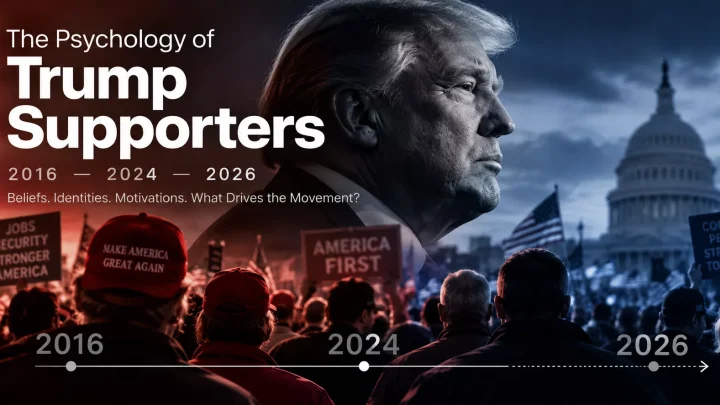
“Don’t Believe Your Eyes, Believe Me”: The Psychology of Trump’s Supporters, From 2016 to 2026
For a decade, President Trump has asked supporters to trust him over the evidence, and most have. But broken promises on prices,…
Explore
Politics
Elections, leaders and the decisions shaping the country, read through a psychological lens.
Psychology
Personality, persuasion, fear and identity — the mental forces behind political behavior.
Video & TV
Two decades of national television appearances, interviews and short takes.
Books
Writing by Dr. Bart Rossi, PhD, on psychology, leadership and public life.
Politics isn’t only about policy. It’s about identity, fear, belonging, and the stories we tell ourselves to make sense of a chaotic world.
Dr. Bart Rossi, PhD
Video & Television
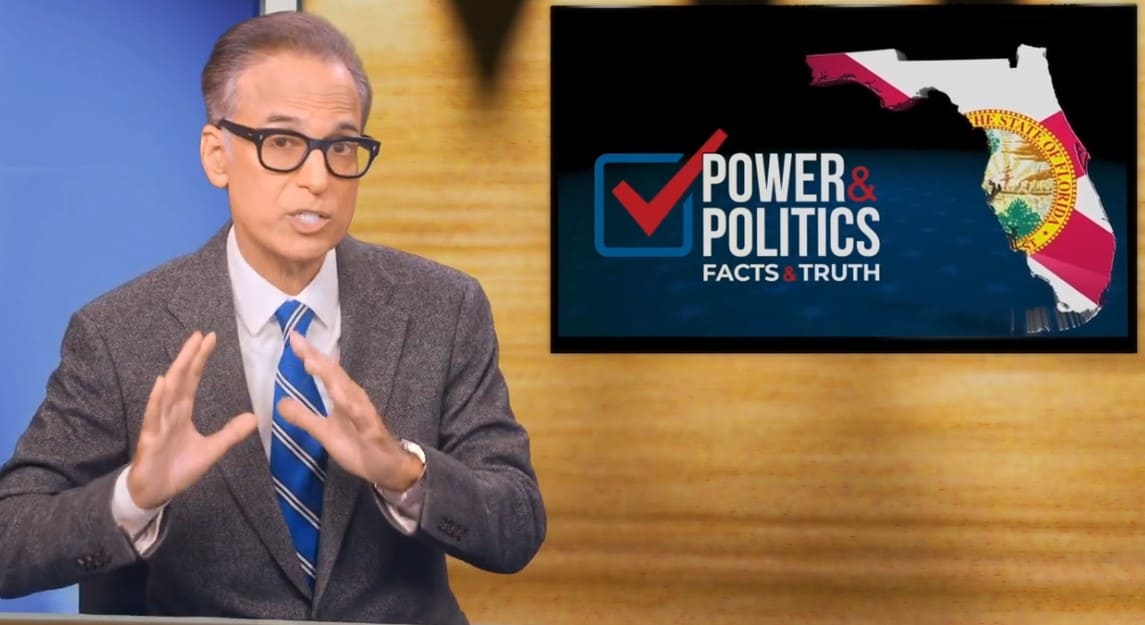
Biden Pardons Hunter, Kash Patel, Desantis, and Tariffs
President Biden Pardons Hunter. What was the psychology of the move, and was it a good…
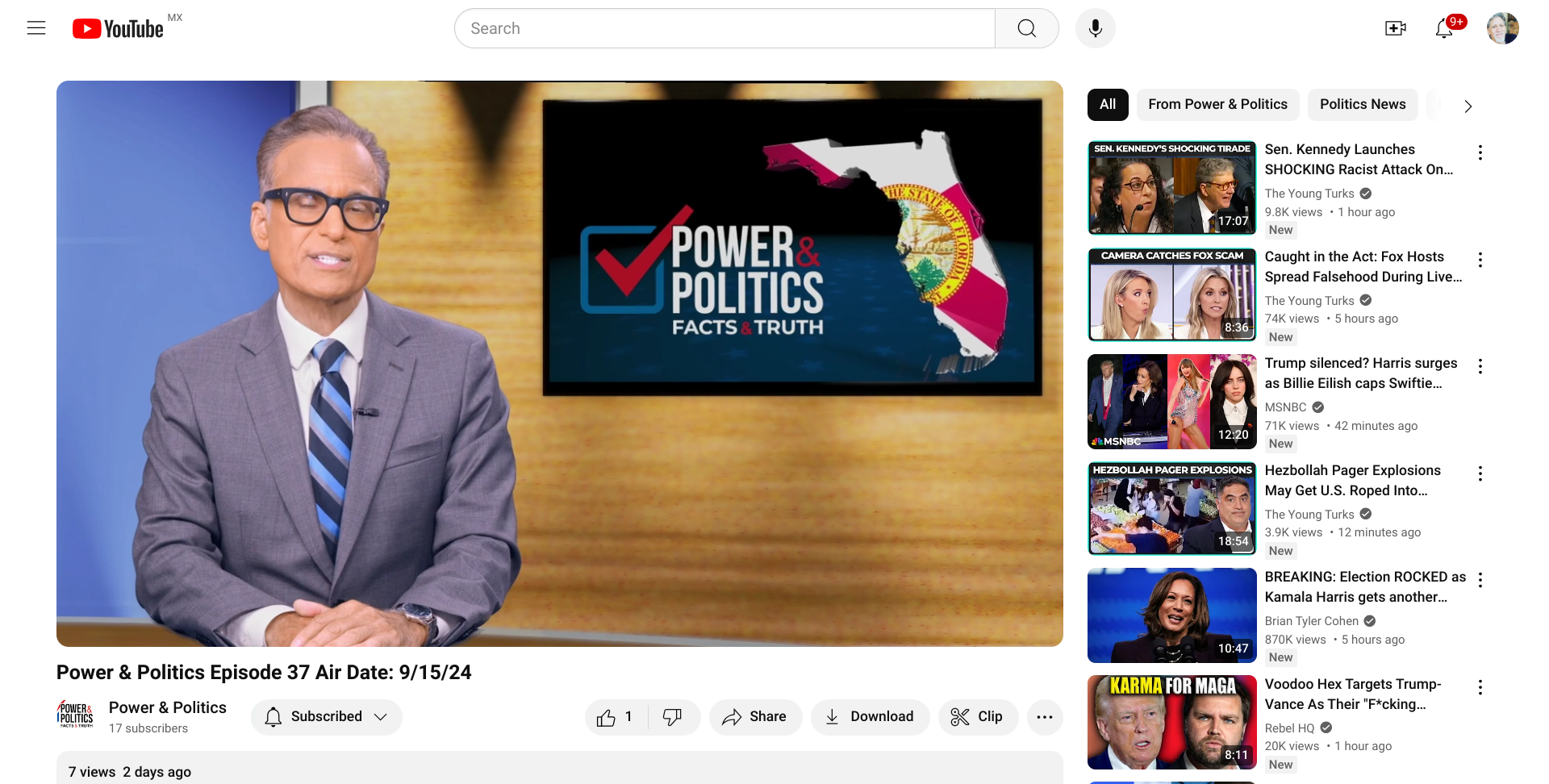
Ep 37 – Presidential Debate 2024, Fentanyl, Games, and Marijuana
In Ep 37, the hosts recap the Presidential Debate 2024, the new fentanyl influx in Froida.
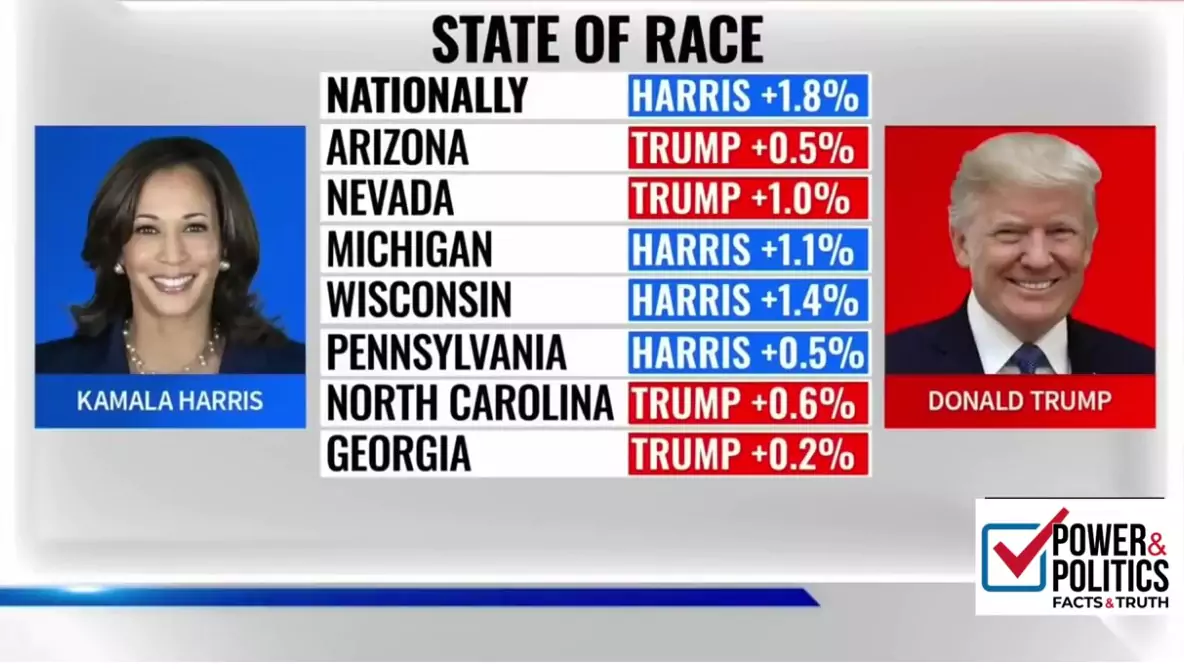
Power & Politics This Week Presidential Race 2024
Power & Politics This Week: Presidential Race 2024 delved into the Trump and Harris debate, their…
Answers to what people are asking
Why do people become politically polarized?
Polarization is driven less by disagreement over facts than by social identity — belonging to a group becomes part of who we are.
Can psychology explain voting behavior?
Yes. Emotion, identity and mental shortcuts predict votes far more reliably than careful policy analysis.
Why do facts fail to change opinions?
Motivated reasoning leads us to defend conclusions we’re already committed to, especially when identity is involved.
Why are conspiracy theories persuasive?
They offer certainty, a sense of control and belonging — powerful needs in uncertain times.
How does fear affect political decisions?
Fear narrows attention and raises the sense of threat, pushing voters toward protection, authority and the familiar.
Why do voters forgive certain politicians?
Loyalty to the group, charisma and a sense that ‘our side’ is fighting for us can outweigh a candidate’s mistakes.
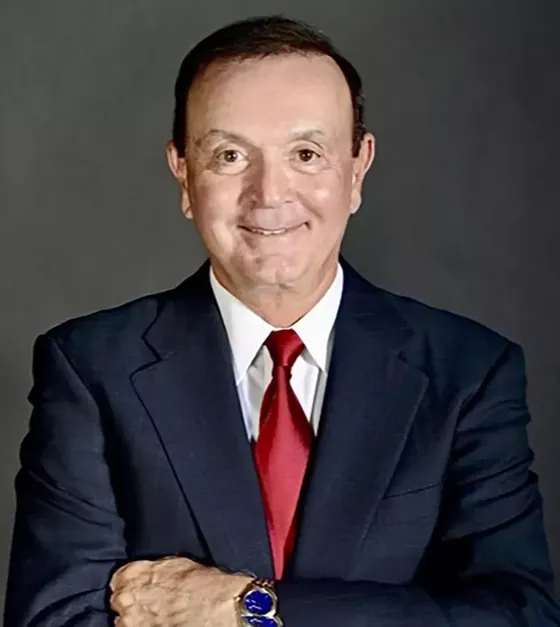
About Dr. Bart Rossi, PhD
One of the country’s most experienced political psychologists.
A licensed psychologist with more than 40 years of experience, Dr. Bart Rossi, PhD, has appeared on national television hundreds of times, explaining the psychology behind leadership, elections, media, and public opinion. He combines clinical experience with deep political knowledge to explore why politicians and elected officials do what they do.
Licensed PsychologistEmmy Award WinnerPublished AuthorNational Media
The psychology behind the headlines.
Get commentary from Dr. Bart Rossi, PhD, in your inbox: why political figures do what they do, and what it means for the rest of us.