In brief: In one week, President Trump ran more than $11 million in government-funded ads promoting himself, said losing Los Angeles and San Diego would be “a very small price to pay” (a remark FactCheck.org says was misread), and promised a “big surprise” on Election Day. Together they show a leadership style built on visibility, emotion and never conceding bad news.
Every week of the Trump presidency produces a few moments that leave even seasoned observers shaking their heads. This past week produced three, and together they reveal something about how the president handles pressure when the polls are moving against him.
A note on approach: a psychologist should not diagnose anyone from a distance, and this column does not. What we can do is look at public behavior, what it is likely meant to achieve, and how it lands with the public.
Why did taxpayers pay for ads promoting the president?
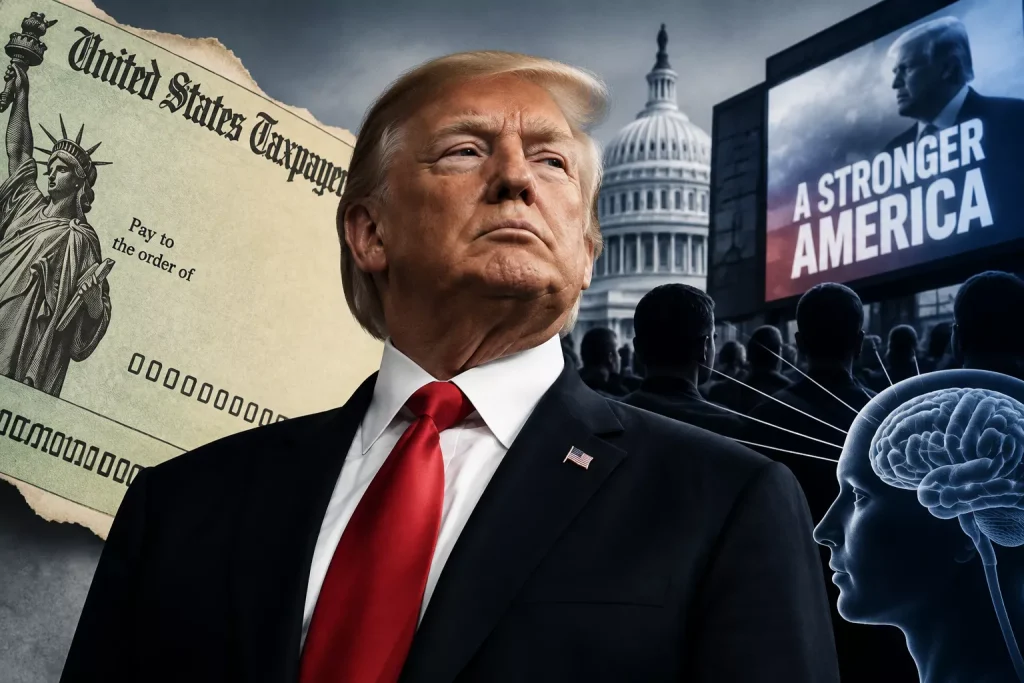
The Department of Homeland Security spent more than $11 million, with projections up to $20 million, on television ads that critics from both parties said were built to glorify the president. Mr. Trump called them “positive promotion for our Great U.S.A.” and “a rather standard thing to do.” After bipartisan backlash, he said his super PAC would pay for future ads, with no word on reimbursing taxpayers for the ones already aired.
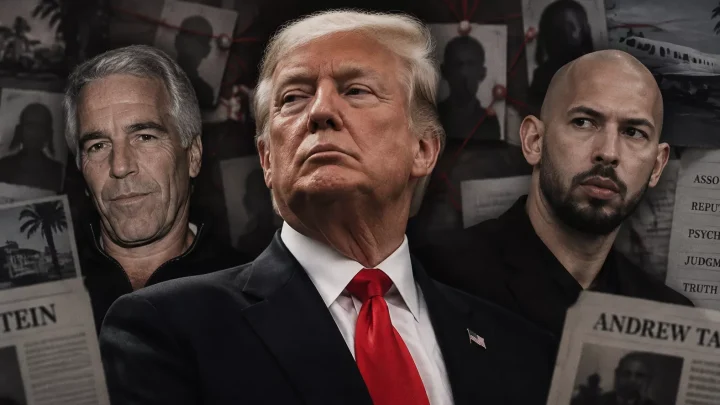
The psychology. Repetition builds familiarity, and familiarity builds liking; that is one of the most reliable findings in social psychology, and every advertiser knows it. What makes this episode notable is the blurring of boundaries between the office and the officeholder. For supporters, the ads may simply look like patriotism. For everyone else, they feed a powerful emotion in politics: the sense that the rules apply to ordinary people but not to the powerful. That sense of unfairness, more than the dollar figure, is what tends to stick with voters, and it echoes the company a leader keeps.
What did Trump mean by “a very small price to pay”?
At a rally in Nebraska on October 5, discussing the Iran war and gas prices, the president said: “Let them take out Los Angeles. Let them take out San Diego. That’s — this is a very small price to pay.” Gov. Gavin Newsom called the remark “deranged and dangerous.” FactCheck.org concluded that the words were widely misread: in context, he appeared to be arguing that paying more for gas is a small price compared with letting Iran threaten American cities.
The psychology. Both things can be true: the intended meaning may have been more reasonable than it sounded, and the way it sounded still matters. Speaking off the cuff is part of Mr. Trump’s appeal; it signals authenticity and spontaneity to his audience. But spontaneity has a cost when the subject is war and the listeners include people who live in the cities he named. People do not process political speech like lawyers parsing a transcript; they react to the emotional headline. For Californians already paying some of the highest gas prices in the country, “a very small price to pay” is the part they will remember.
Why promise a “big surprise” when the polls look bad?
At an October 3 rally in Ohio, with his approval rating near historic lows and Democrats leading in Senate races from Texas to Alaska, the president predicted a “big surprise” on Election Day.
The psychology. Projecting confidence when the numbers are bad is a classic leadership strategy, and it is not irrational. Confidence is contagious, and a base that believes it can win is more likely to vote. There is also a defensive function: insisting the polls are wrong protects supporters, and the leader himself, from the discouragement that comes with bad news. The risk is the gap between the message and reality. If the “big surprise” does not arrive, a promise like this can make a loss feel like a betrayal rather than a normal midterm setback, and that can deepen distrust in elections themselves. (For where the races actually stand, see our midterm roundup.)
What does the pattern say about how Trump leads?
Put the three moments together and a consistent style appears: maximum visibility, emotional language, and an unwillingness to concede that anything is going badly. It is a style that energizes a loyal core and has carried Mr. Trump through crises that would have ended other careers.
It is also the style of an authoritarian, or at least a president who leans hard that way: public money spent on self-promotion, contempt for limits, and a demand that the public trust his account over its own eyes. Many of his supporters do not see it that way. They see strength, fearlessness and patriotism. In a PRRI survey this May, 59% of Americans called him “a dangerous dictator whose power should be limited,” while 78% of Republicans called him “a strong leader.” He projects strength, and for millions of Americans, that belief is the reality.
The question for the midterms is whether that style still works with the voters in the middle, the ones who are less interested in the drama than in their gas and grocery bills. For them, the benefits of a combative, always-on presidency may be starting to look smaller than the costs.
Related commentary
- Don’t Believe Your Eyes, Believe Me: The Psychology of Trump’s Supporters
- Guilt by Association: Epstein, the Tate Brothers and Trust
- The Impact of Fake News (2016)
Sources
- AP via WKMG — Trump agrees to have his super PAC, not taxpayers, pay for his ads (Oct. 6, 2026)
- FactCheck.org — The context for Trump’s “take out” Los Angeles, San Diego remarks
- Al Jazeera — Trump defiant about midterm chances in Ohio (Oct. 4, 2026)
- Silver Bulletin — 2026 midterm forecast
- Newsweek — PRRI poll: “dangerous dictator” vs. “strong leader” (May 2026)